

Dental design service vs in-house design comes down to control, capacity, and cost structure: outsourcing gives clinics and laboratories access to specialist CAD/CAM design without hiring a full-time designer, while in-house work keeps design inside the team; for help resolving common design issues, consult a dental lab troubleshooting guide. The right choice depends on case volume, internal expertise, equipment costs, turnaround needs, and how much flexibility your workflow requires.
Core Definition and Real-World Mechanics

A dental design service is an external professional partner that turns digital case information into production-ready design files as part of a digital dental lab workflow. In-house design uses your own staff, software, and workstations to complete that same design stage internally.

What does a dental design service actually deliver?
A dental design service is not the same as outsourcing manufacturing. Vietnam Dental Lab (VDL), based in Ho Chi Minh City, Vietnam, provides B2B digital dental design services to clinics and laboratories. Clients submit digital impressions and case requirements, then receive design files such as STL or OBJ for local milling or 3D printing.
The service supports several digital dentistry applications:
- Crown and bridge design, including high-volume case work. VDL reports more than five million units produced over the last decade.
- Guided implant surgery planning, where the design supports planned implant placement.
- Clear aligner treatment planning and staging.
- Digital Smile Design (DSD) for aesthetic planning and patient presentations.
The output is intended to be production-ready and compatible with major open-system CAD/CAM software, including Exocad and 3Shape. The client remains responsible for reviewing the design against the clinical prescription and deciding whether it is appropriate for the intended manufacturing and treatment workflow.
That distinction matters: the service supplies design capability, not a replacement for clinical judgment, case approval, or local manufacturing. Clinics and laboratories can use the resulting files with their own milling or printing setup.
How does outsourced design differ from keeping it in-house?
With in-house design, a clinic or laboratory handles design using its own personnel, CAD software, and workstations. This can keep communication close to the clinical or production team, but it also means carrying the staffing and equipment requirements, including software licenses, training, maintenance, and coverage when workload changes.
With outsourced design, those design tasks are sent to a specialist provider. The client pays on a case basis rather than maintaining a full-time design salary and benefits. This can help organizations manage demand spikes without immediately expanding headcount, while providing access to technicians who work on specialized and high-volume cases.
Neither model is automatically better. In-house design may fit steady workloads and teams with established CAD expertise. Outsourcing may suit teams that need flexible capacity, want to reduce fixed overhead, or need access to specialist support for work they do not handle frequently.
Outsourced Dental Design vs. In-House: Comparison

Outsourcing generally exchanges some day-to-day internal control for variable, case-based capacity and external expertise. In-house design keeps the work within your organization but requires you to provide the people, software, equipment, and workload coverage.
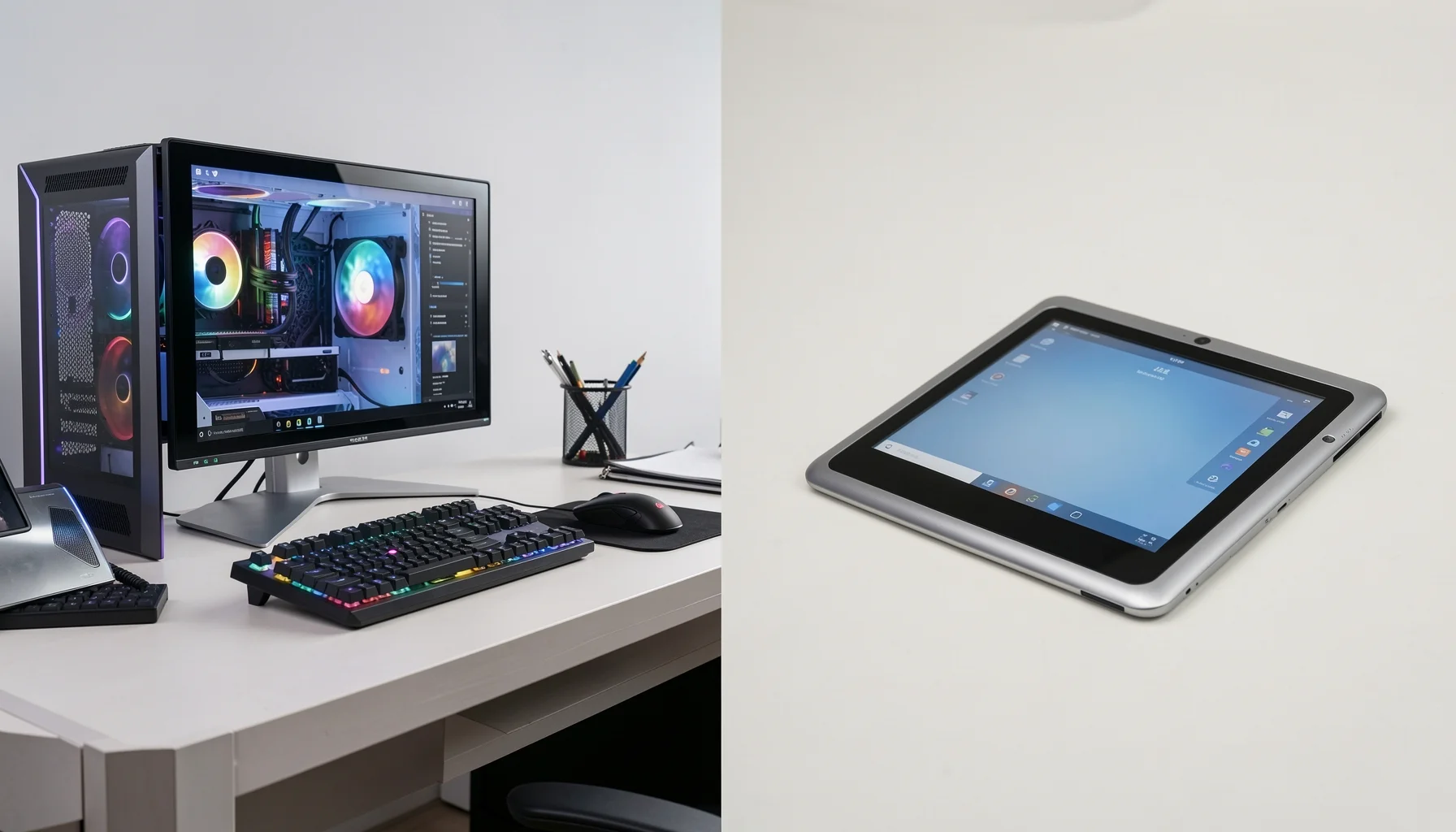
Which operating model fits your cost and capacity?
The financial comparison should include more than the price of one design. For in-house work, consider salary and benefits, recruitment and turnover risk, training, CAD licenses, workstation investment, and ongoing maintenance. For outsourced work, consider the case fee, internal time spent preparing submissions and reviewing files, and how the arrangement fits your case mix.
| Decision factor | Outsourced design through Vietnam Dental Lab | In-house design |
|---|---|---|
| Labor cost | Variable, pay per case; no internal designer salary or benefits for that work | Fixed payroll, benefits, training, and potential turnover costs |
| Capacity | Can support demand spikes without adding internal headcount | Limited by staff capacity, working hours, and queue |
| Expertise | Access to specialist, high-volume technicians | Depends on internal staff experience and training |
| Equipment | No need to purchase CAD software licenses or design workstations for outsourced cases | Requires appropriate software, hardware, maintenance, and licenses |
| Workload fit | Useful for overflow, specialist cases, or variable volumes | Often suitable for consistent work and established internal teams |
| Workflow control | Requires clear case specifications and an external handoff | Direct internal communication and control of queue priorities |
| File delivery | Production-ready design files for local milling or printing | Files are created internally for the organization’s workflow |
| Turnaround planning | Optimized for high-volume workflows; confirm case expectations with the provider | Depends on internal queue management and available staff |
There is no universal break-even case count in the provided service information. To compare options, calculate your actual monthly internal cost and the cost of outsourcing the same case mix. Include design review time in both models, and avoid assuming that an internal designer’s available hours are fully productive design hours.
How should you assess quality, control, and turnaround?
The central trade-off is not simply “cheaper versus more expensive.” It is the balance between fixed capacity and flexible capacity. Internal design provides direct control over staffing and day-to-day prioritization, but a staff shortage or backlog can constrain output. Outsourcing offers a way to handle additional work without hiring immediately, but the handoff must clearly communicate the clinical requirements and design parameters.
Turnaround should be assessed based on your actual process rather than a general promise. Internal work depends on the designer’s queue and availability. Outsourced design is optimized for high-volume workflows, but clients should confirm the expectations for their case types and submission quality with the provider.
For either model, quality depends on the information available and the review process. Establish who checks the design, how revisions are handled, and what criteria define an acceptable production-ready file. A reliable comparison includes both design production and internal review, not just the time required to create the initial file.
How to Put an Outsourced Design Workflow into Practice
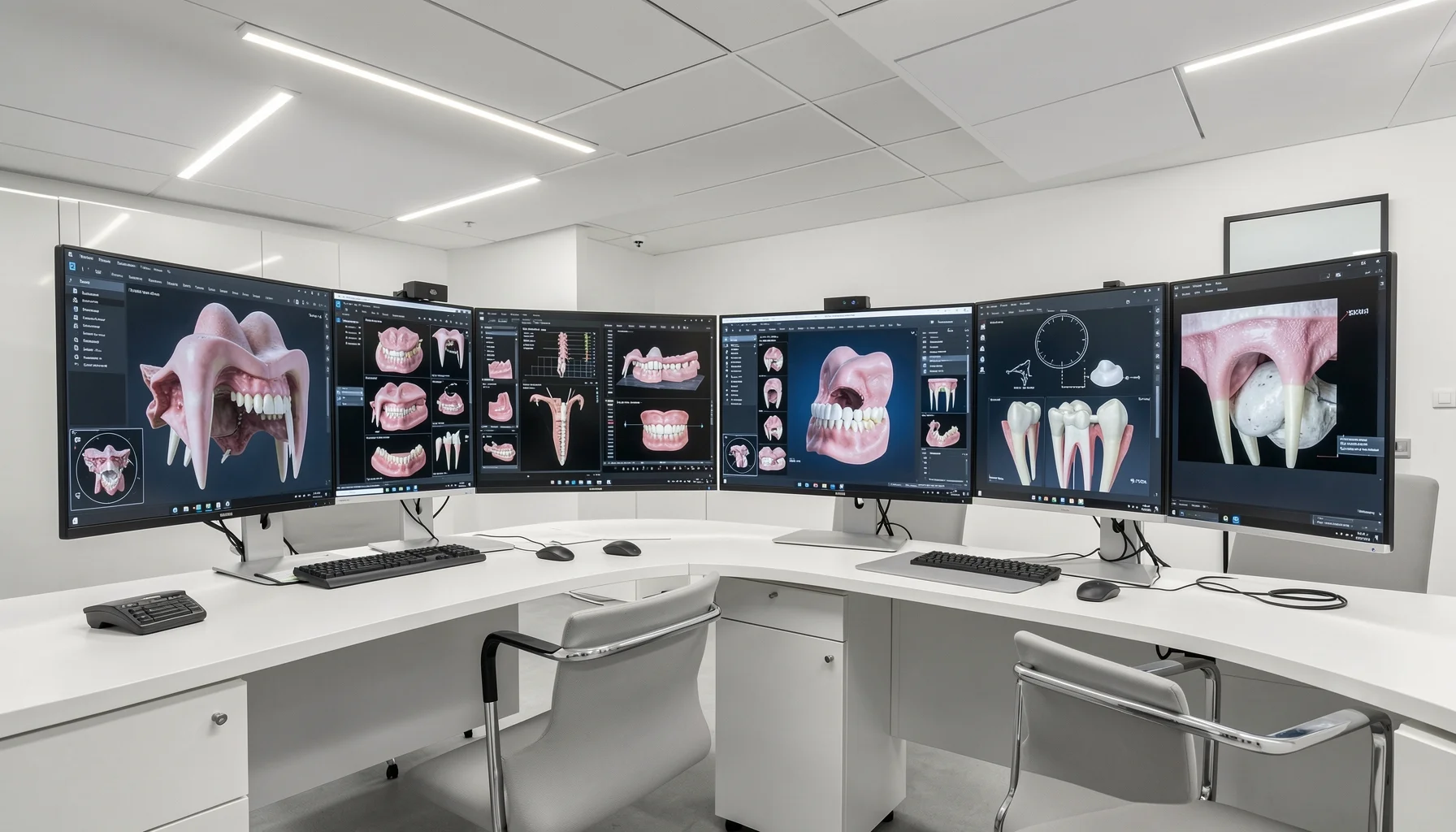
An outsourced workflow moves a case from account setup and digital submission through design, internal review, and delivery of the file for local manufacture. Vietnam Dental Lab’s process uses an online portal and requires the client to supply the scan data and case specifications.
What are the steps from scan upload to file delivery?
A practical workflow follows these steps:
- Set up an account. Register or log in through the official Vietnam Dental Lab website.
- Submit the case. Use the “Send a Case” portal to upload the digital impression or scan files.
- Select the case type and parameters. Specify whether the work is for crown and bridge, implant planning, aligners, or another supported design service. Include the relevant design instructions.
- Have the design completed. VDL technicians perform the CAD design based on the submitted clinical requirements.
- Review and quality control. The provider’s files undergo internal review for production readiness. Your team should also check the delivered design against the prescription and intended workflow.
- Download and manufacture locally. Receive the finalized STL or other design file and use it for your own milling or 3D printing process.
This division of responsibilities is important: the provider designs and supplies the file, while the client prepares the case information, reviews the result, and controls local production. For clinics and laboratories evaluating a broader dental outsourcing approach, it is useful to map who owns each handoff before transferring routine cases.
What should you prepare before submitting a case?
A complete submission begins with clean digital source data and clear instructions. Before uploading, confirm that the scan files are the intended files for the case, identify the service type, and communicate the design parameters your team needs the technician to follow.
A simple internal checklist can reduce avoidable clarification:
- Confirm the case type and the requested design service.
- Check that the digital scan files are included and open as expected.
- Provide the relevant clinical and technical requirements in the submission.
- Identify any special design considerations before the case enters the queue.
- Assign an internal reviewer for the delivered file.
- Confirm how the accepted file will enter your local manufacturing process.
Do not rely on an external designer to infer requirements that were not submitted. Clear instructions help the design team work from the intended case specification and give your reviewer a defined basis for checking the result. If a requirement changes after submission, communicate it through the agreed case process rather than assuming it will be visible in the scan.
Practical Tips, Pitfalls, and Use Cases
The strongest outsourcing results come from matching the case to the provider’s capabilities, sending complete specifications, and maintaining a defined internal review step. Outsourcing can solve capacity and expertise gaps, but it does not remove the need for sound case selection or accountable oversight.
What common outsourcing problems can you prevent?
A frequent operational problem is treating the upload as a complete prescription when essential design parameters are missing. Prevent this by using a consistent submission checklist and training staff to identify the case type, scan files, and design instructions required before sending work.
Another risk is focusing only on the provider’s design stage. A production-ready file still needs to fit the client’s intended materials, equipment, and manufacturing workflow. Build a local review into the process, designate who approves the design, and clarify how the file will be used for milling or printing.
Teams should also avoid assuming that all cases belong in one model. Routine, predictable work may be manageable in-house, while fluctuating demand or specialized design needs may be better candidates for outsourcing. A blended workflow can keep appropriate work internal while using an external partner for overflow or cases that require expertise the team does not maintain every day.
Finally, do not evaluate turnaround using an assumption that outsourced work is always immediate. VDL operates Monday through Saturday, from 8:00 AM to 7:00 PM ICT; plan submissions and communications around those stated support hours, and confirm timing expectations for the specific case.
Which real-world scenarios favor outsourcing?
A dental laboratory facing a production surge can outsource overflow crown and bridge design instead of immediately increasing staffing. VDL’s reported history of more than five million crown and bridge units over the last decade indicates experience with high-volume design work, although each lab should assess the service against its own specifications and review process.
A clinic increasing clear aligner requests may use outsourced planning and staging to support demand while maintaining internal capacity for patient care and case review. This can be especially useful when the increase is variable and does not yet justify a permanent internal design role.
A general practitioner planning a complex implant case may seek external guided surgery design support rather than building an in-house implant design capability for occasional cases. The clinic still needs to provide requirements and evaluate the plan as part of its clinical workflow.
For aesthetic consultations, a clinic can use DSD to create visual treatment-planning materials before restorative work begins. Teams exploring this workflow can review Vietnam Dental Lab’s Digital Smile Design service. In each example, outsourcing supplies design capacity; it does not transfer clinical responsibility.
2026 Outlook, Expert Perspective, and FAQ
In 2026, the practical question is less “Should every design task be internal or outsourced?” and more “Which combination gives this team reliable capacity without unnecessary fixed overhead?” Alex’s perspective is to compare the full workflow and case mix, then scale the model that supports consistent review and delivery.
How should clinics and labs decide in 2026?
Start with your own workload data rather than an unsupported industry-wide percentage. Track monthly case volume by design type, internal queue time, available designer capacity, software and workstation costs, and time spent on review or rework. Compare those figures with the actual case-based outsourcing costs and your team’s administrative time.
A useful decision framework is:
- Choose predominantly in-house design when case volume is steady, suitable expertise is available, and internal control justifies the ongoing staffing and equipment costs.
- Use outsourcing for overflow when workload varies and adding permanent headcount would leave capacity underused during quieter periods.
- Use outsourcing for specialist work when cases such as guided implant planning or aligner staging are too infrequent to support a dedicated internal capability.
- Use a blended model when core work is predictable but surges or specialized cases require additional design resources.
Review the arrangement periodically. As case volume or internal skill changes, the most efficient division of work may change too. The goal is not to outsource everything or build every capability in-house; it is to direct each case to a workflow that your team can support, review, and manufacture reliably.
What is Alex’s expert perspective?
Alex, Lead Digital Dentistry Strategist and Technical Consultant, has more than a decade of experience with global dental laboratory workflows, CAD/CAM integration, and digital restorative dentistry. From that operational perspective, the key is to treat outsourcing as a designed workflow—not simply a transaction that ends when files are uploaded.
For each case category, define submission standards, the responsible reviewer, acceptable file delivery requirements, and the handoff to local manufacturing. Then assess the total cost of maintaining internal capacity against the flexibility of paying per case. Vietnam Dental Lab can serve as an extension of a clinic or laboratory’s design workflow, particularly where teams need to scale output without increasing internal headcount or equipment overhead.
The decision should remain grounded in your own case mix and quality controls. A well-managed external partnership can provide valuable capacity, but internal teams remain responsible for the clinical requirements, final review, and local production decisions.
Frequently asked questions
Is outsourced dental design suitable for small clinics?
It can be suitable when a clinic needs digital design capability but does not want to hire a full-time CAD designer or maintain dedicated design software and hardware. Suitability depends on the clinic’s case volume, internal review process, and ability to provide complete digital scans and specifications.
What files does Vietnam Dental Lab deliver?
The service delivers production-ready design files, including STL or OBJ files, for local milling or 3D printing. The stated compatibility includes major open-system CAD/CAM software such as Exocad and 3Shape.
Does outsourcing dental design include manufacturing?
No. Vietnam Dental Lab provides digital design services. The client receives the design files and uses them for local manufacturing, such as milling or 3D printing.
Can a clinic use both in-house and outsourced design?
Yes. A blended workflow can keep routine work in-house while sending overflow or specialized cases to an external provider. The clinic should define which cases follow each route and retain a consistent review and approval process for all designs.